The short answer
The price of one on-model clothing photo is a share of everything it takes to make it: the model, hair and makeup, styling, the photographer and studio, retouching and the right to use the model's likeness. How many finished images the shoot yields decides how that cost splits per image, so looks per hour, minimums, the usage term and rush all move the number.
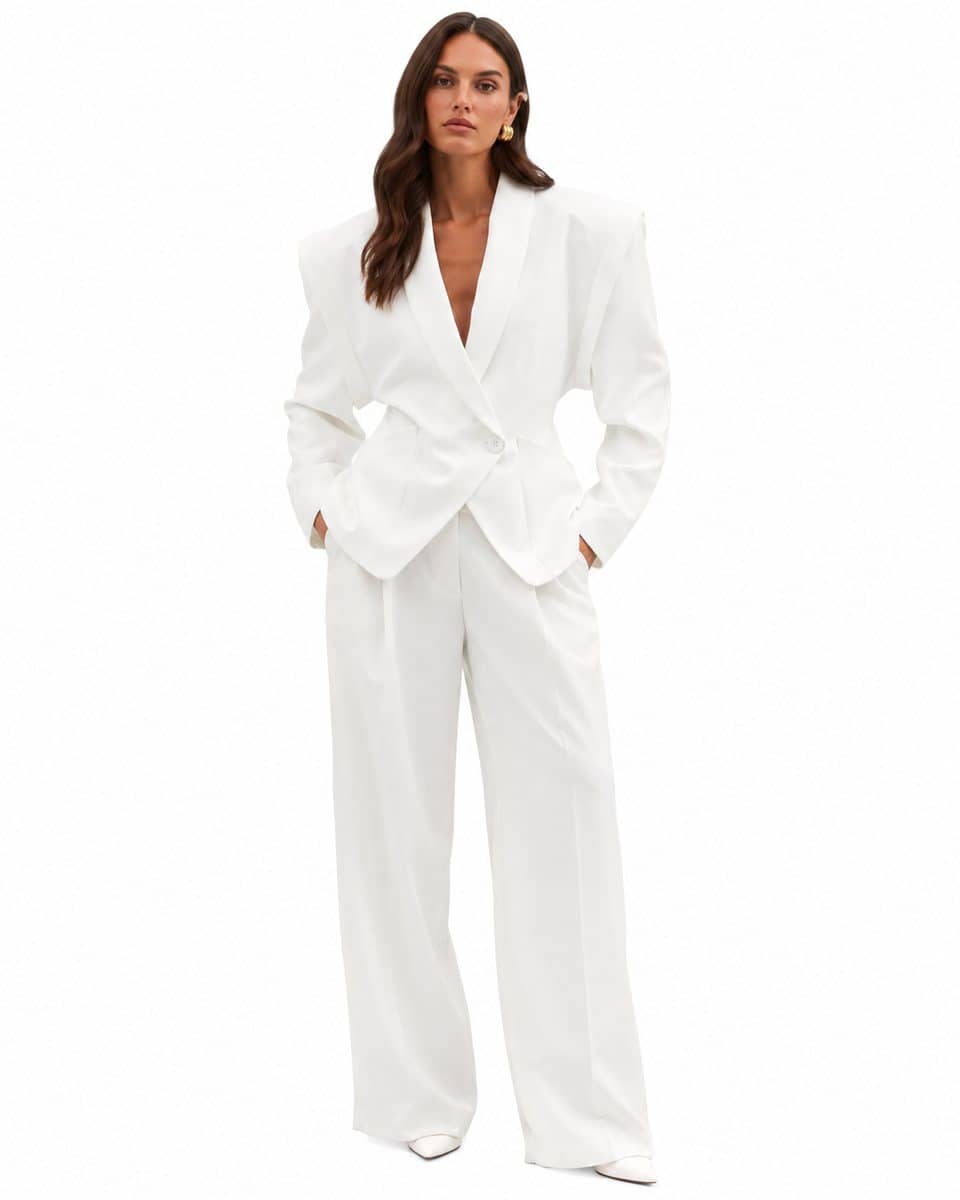
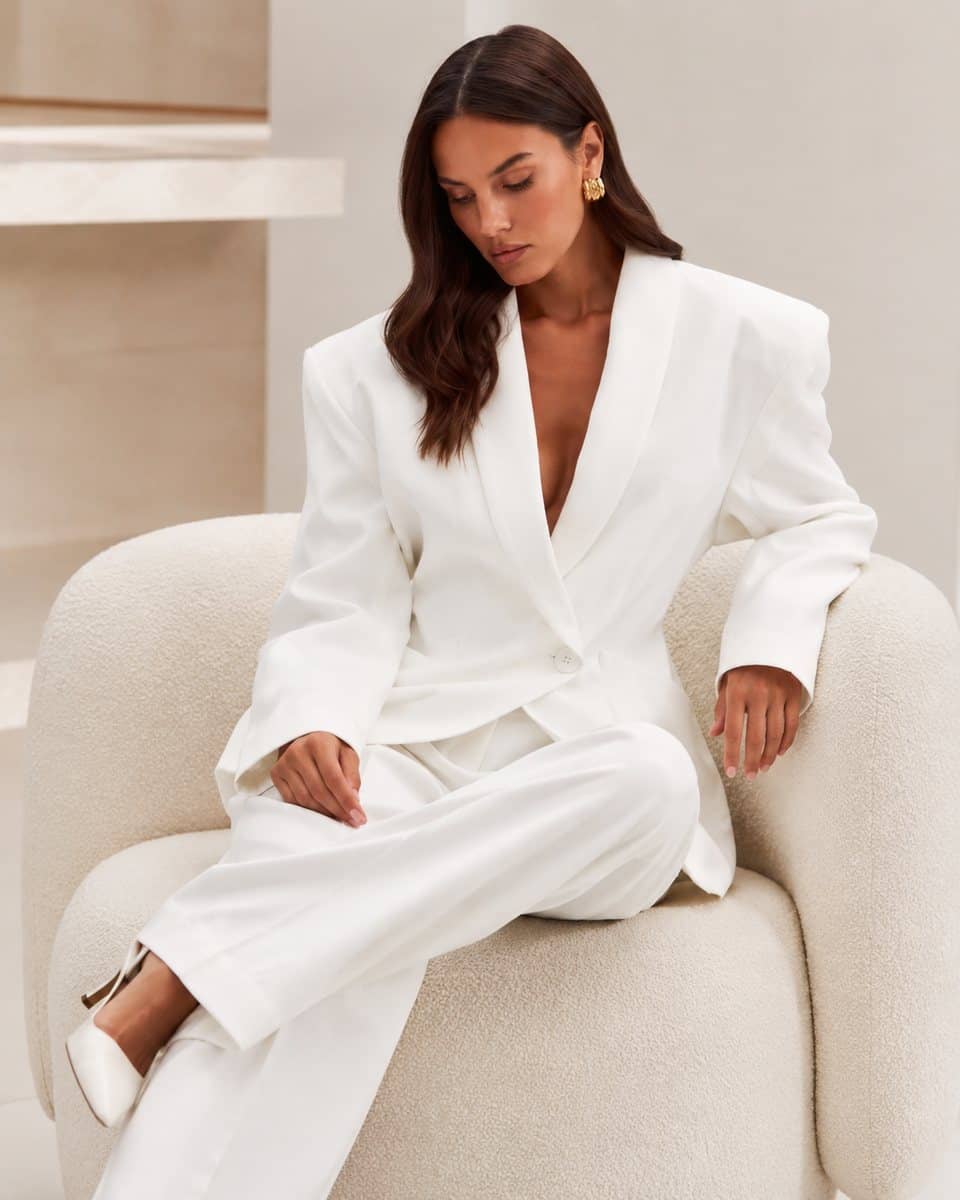
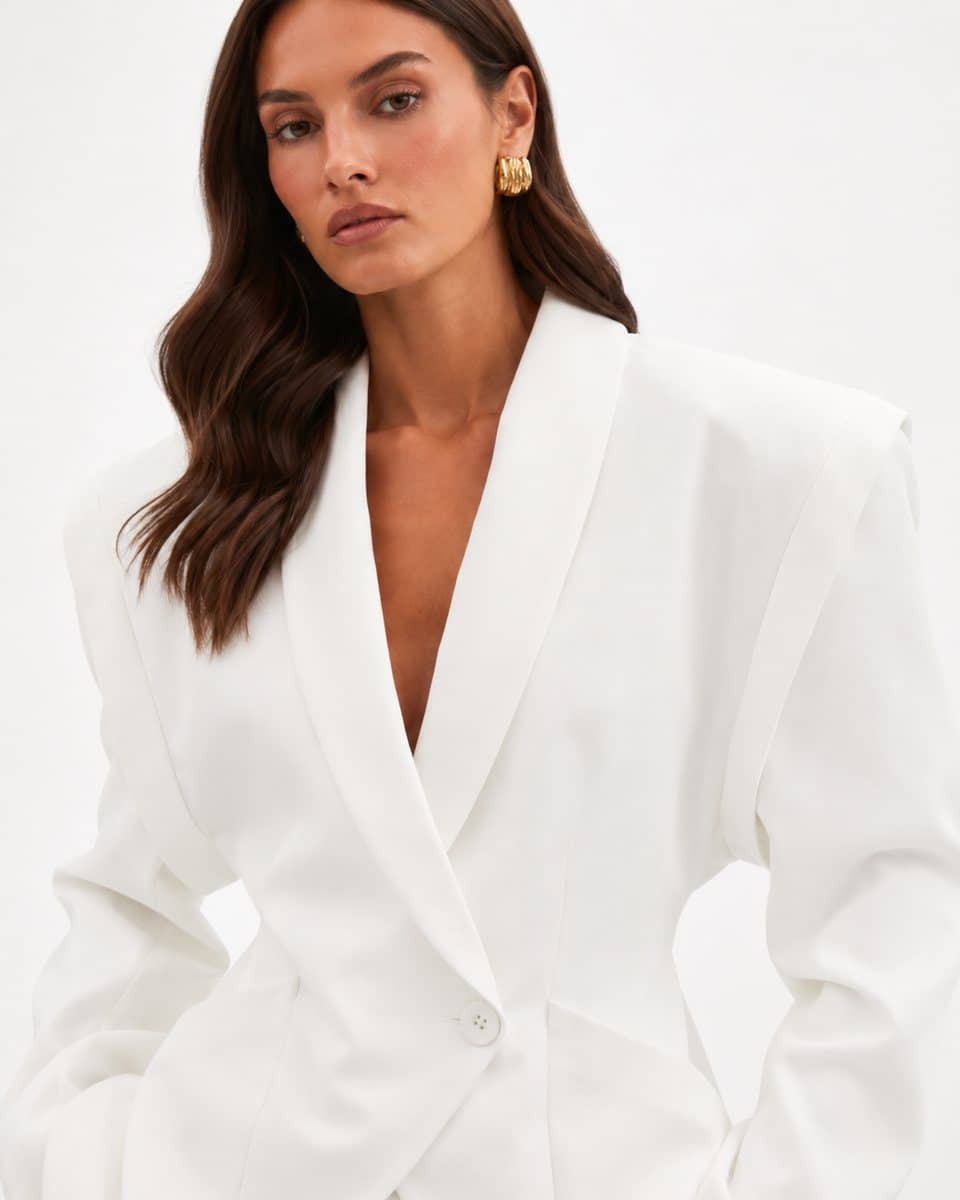
AI changes what sits inside the price. It starts from photos of the real garment you already have, so there are no samples to ship and no model day to book; what you pay for is the work around the image. At Sellora, studio images on a model start from $95 per finished image, each checked by a person against your garment. Lifestyle images and campaigns are quoted in your proposal.
What a price per image pays for
A per-image price for on-model work is a shoot divided by the images it produces. Here is what that shoot contains.
| Cost | What it covers |
|---|---|
| Model | The model's time, usually booked by the hour, often with a minimum |
| Hair and makeup | Getting each model camera-ready, and touch-ups between looks |
| Styling | Steaming, pinning and styling every look |
| Photographer and studio | Shooting time, lighting, space and equipment |
| Retouching | Cleanup, color correction and fixes on every selected image |
| Usage rights | How long and where you can use images of the model |
Then there's what no price list shows: shipping samples to the studio and back, fittings, and the hours your team spends on briefs, casting and approvals.
When a provider sells time rather than finished images, check whether the model is included. An hourly rate can look low per image when the most expensive person on set is billed separately.
What moves the price per image
- Looks per hour. Every outfit, hair or set change eats shoot time, so the same day yields fewer images.
- Minimums. Some studios set a minimum number of images per model shoot, so a brand that needs only a few images may still pay for the full minimum.
- Usage term. A short license costs less than a long one or perpetuity, and ads or print can need wider rights than your own store.
- Rush. Faster delivery usually costs extra.
- Extra models. Showing a style on a second body type means booking a second model, on top of the image price.
- Colorways. Each color shot on the model is more images. Shooting one colorway on the model and recoloring the others in retouching can save shoot time.
How AI changes the price per image
AI on-model photography starts from photos of the real garment and generates the model around it. It's sold in two ways: self-serve tools, where you buy credits and do the generating yourself, and done-for-you services, priced per finished image.
A generated image is not a finished photo. Someone has to pick the best version and check it against the real garment (hem length, color, print, logo, hands) before it goes on a product page. With a tool, that someone is you, so count your own time when you work out the price per image.
What Sellora's price per image includes
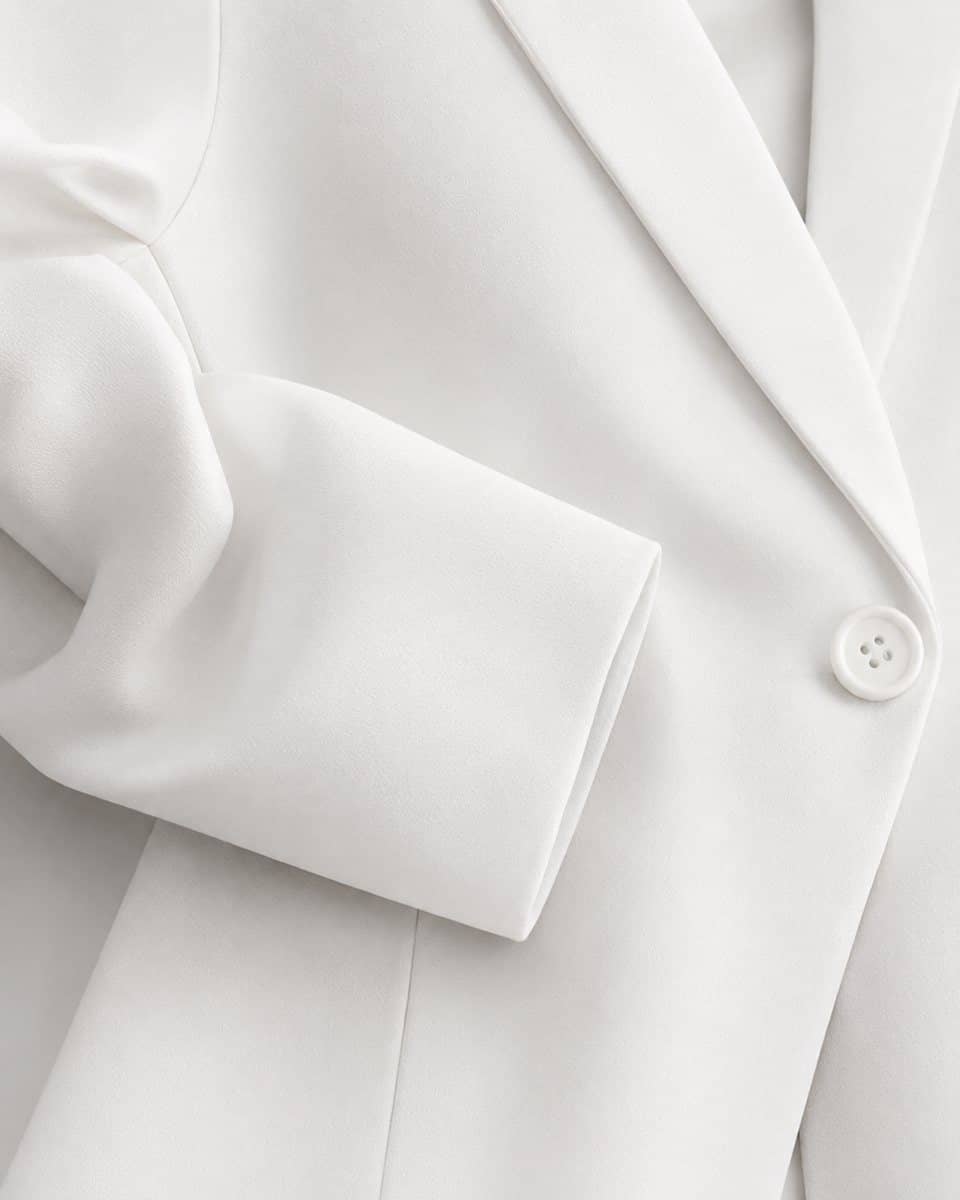
At Sellora, studio images on a model start from $95 each, and the price covers the work around the image: art direction, a set of 7 connected images per product, and a person checking every frame against our acceptance checklist. On a retainer, the images are made on your brand model. Lifestyle images and campaigns are quoted in your proposal. Every project is quoted individually, and your proposal shows the total.
What to ask before you compare prices
Two prices per image only compare if they buy the same thing. Ask every provider these questions; here are our answers.
| Question | At Sellora |
|---|---|
| What do I receive? | A checked set of 7 images per product, studio or lifestyle, with the shot list agreed with you |
| Who checks fit and color? | A person, against your garment, before you see the images |
| Is the model the same across my catalog? | On a retainer, your brand model stays the same across every product and every drop |
| What if an image is wrong? | It's remade free or that image is refunded; two revision rounds within 10 days of delivery |
| What rights come with the images? | An exclusive, perpetual license once the order is paid in full |
| How fast? | The first batch within 10 business days, then each drop of up to 10 products within 5–6 business days |
| Do I ship samples? | No. We work from the photos you already have |
Count images, not products
Before you ask for quotes, work out how many images you actually need. Say you launch 20 products in 2 colors each and want 4 on-model angles per colorway: front, back, side and detail. That's 160 images. Every quote should price those same 160 images, plus everything billed separately: the model's time, styling, hair and makeup, retouching, shipping samples, rush and usage rights.
AI starts from clean photos of each colorway. If you don't have them yet, sharp phone photos can be enough, as long as the fabric, color and details are clearly visible; Sellora doesn't shoot product-only photos itself.
At Sellora, a standard set is 7 images per product, and a second colorway is quoted in your proposal, which shows the total.
When to book a live model
- Campaigns. When a real person's face, personality or following is the point of the image.
- Motion and video. Runway walks, try-on videos, fabric moving on camera. Our sets include a movement frame, but it's a still.
- Fit-critical pieces. When the buyer needs to see exactly how the real garment sits on a real body.
- What AI renders least faithfully. Highly reflective fine jewelry, complex layered outfits and extreme close-ups of fine lace. If a product falls here, we say so before quoting.
When to mix both
Using AI doesn't mean giving up live shoots; it changes what you spend them on.
- Shoot a live campaign once a season for your homepage, ads and lookbook, and run the catalog on AI from product photos.
- Book a live model for hero products and fit-critical pieces, and use AI for the rest of the range and for new arrivals between shoots.
- Keep the look consistent: share your campaign's reference images (lighting, crop, styling) with whoever produces the AI photos. Check the license first, because model images licensed for a limited term may not allow it.
For more, see AI models vs real models and how our on-model photoshoots work.
Pick the products you were going to put on a model this season. On a call we'll sort out which can go on-model from your photos and which deserve a live shoot.